
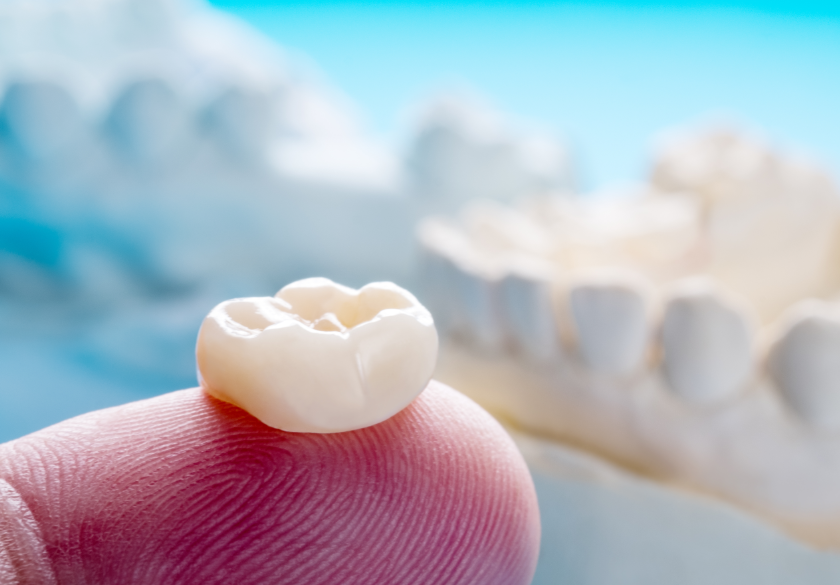
A dental crown can protect a damaged or weakened tooth for many years, but crowns aren’t designed to last forever. Over time, everyday chewing, grinding, and normal wear can take their toll. If you’ve had your crown for quite a while, it’s a good idea to know the signs that it may be time for a replacement.
Catching problems early can help prevent crown failure and protect the tooth underneath. Regular dental visits also give your dentist an opportunity to check your crown and spot potential issues before they become bigger problems.
Your Crown Looks Worn or Damaged
Take a close look at your crown when you brush your teeth. Does it appear cracked, chipped, or noticeably worn down? Physical damage can weaken a crown and make it less effective at protecting the tooth underneath.
Even if a small chip doesn’t hurt, it’s worth bringing to your dentist’s attention. Depending on the extent of the damage, your dentist may recommend repairing or replacing the crown.
Your Crown Feels Loose
A dental crown should fit securely over the tooth. If it feels like it is moving when you bite, chew, or touch it with your tongue, something may be wrong. A loose crown can allow bacteria and food particles to get underneath it, potentially increasing the risk of decay or infection.
Don’t wait for a loose crown to fall out before making an appointment. Your dentist can determine why it has become loose and whether it can be repaired or needs to be replaced.
You’re Experiencing Pain or Sensitivity
New or persistent discomfort around a crowned tooth can be another warning sign. You might notice sensitivity to hot or cold foods, pain when biting down, or tenderness around the tooth.
These symptoms don’t necessarily mean the crown itself has failed. Problems such as decay beneath the crown, damage to the underlying tooth, or issues with the surrounding gum tissue can also cause discomfort. Your dentist can evaluate the area and determine what’s causing the problem.
You Notice a Poor Fit or Gum Changes
Crowns can become less well-fitting over time, particularly as the mouth changes. You may notice a gap around the crown, difficulty flossing around it, or food repeatedly getting trapped in the same area.
Changes in the gums around a crown, such as redness, swelling, or tenderness, can also indicate that the area needs attention. These symptoms are worth discussing with your dentist, even if the crown still looks normal.
Don’t Wait for Crown Failure
A crown that has been in place for many years doesn’t automatically need to be replaced. However, paying attention to changes and keeping up with regular dental visits can help identify problems early. Your dentist can examine the crown, the tooth underneath, and the surrounding tissues to determine whether replacement is necessary.
Taking care of a worn or damaged crown sooner rather than later may help you avoid a more complicated dental problem down the road.
A little preventive attention can go a long way toward keeping your smile comfortable and healthy.
About the Practice
JMG Dentistry provides comprehensive dental care with a focus on helping patients maintain healthy, functional smiles. Dr. Justin Geller offers dental crown treatment along with other general and restorative dental services. The dental team works with patients to evaluate their oral health, address damaged or weakened teeth, and determine appropriate treatment options for their individual needs.
Call us at (269) 291-0576 or schedule your appointment online.